An EV charge point is a permanent addition to your electrical installation, not an accessory. It needs the right position, the right protection and a supply that can actually take it. I'm OZEV registered, which means I'm on the government's approved installer list for electric vehicle charge points.
Advice first, installation second
Before I fit anything, I'll look at where you park, what your incoming supply can support, and how the cable can be run neatly. It's a short conversation that avoids the two things people regret most: a charger in an awkward spot, and cable run where it shouldn't be.
Skip straight to a costed plan
Fill in a short survey from home, a few details and some photos, and I can put together a firm, costed plan before I ever need to visit.
Start the EV surveyChargers I install
A few of the units I fit regularly, with a from-price for a standard installation. Your actual cost depends on your property, your supply and the position of the unit, which is exactly what the survey above is for.

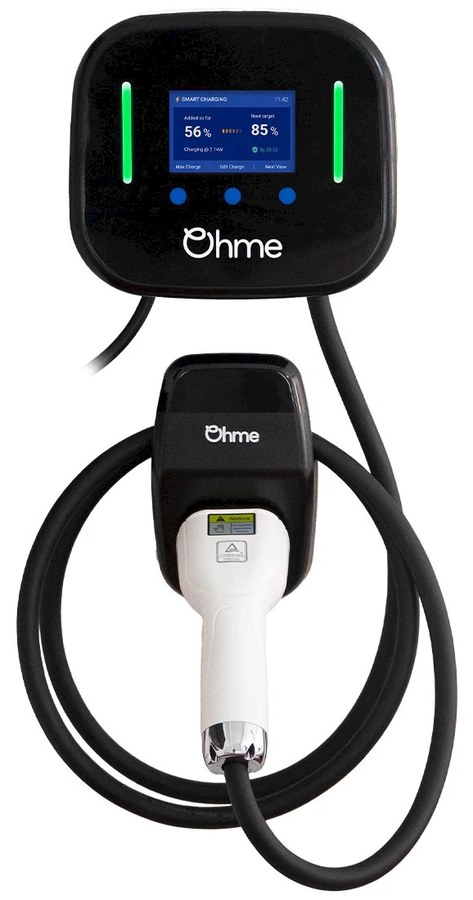
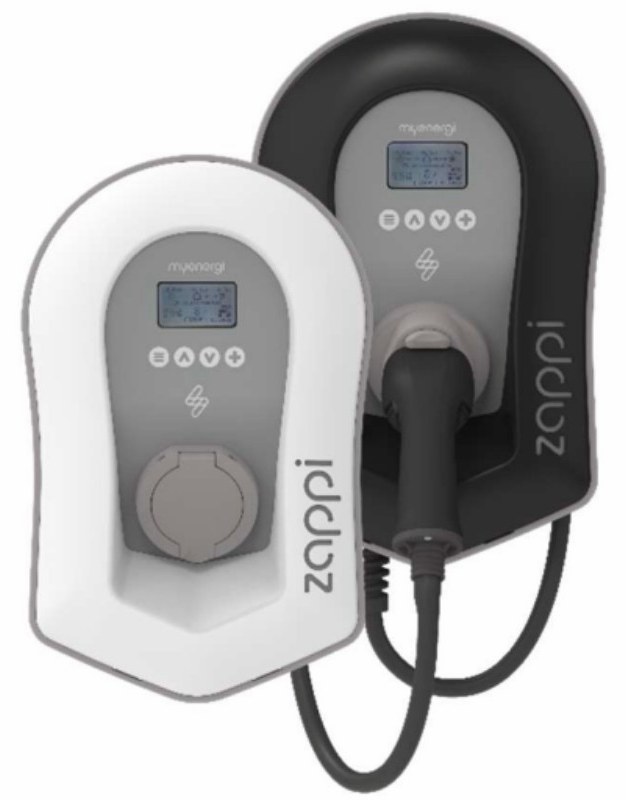

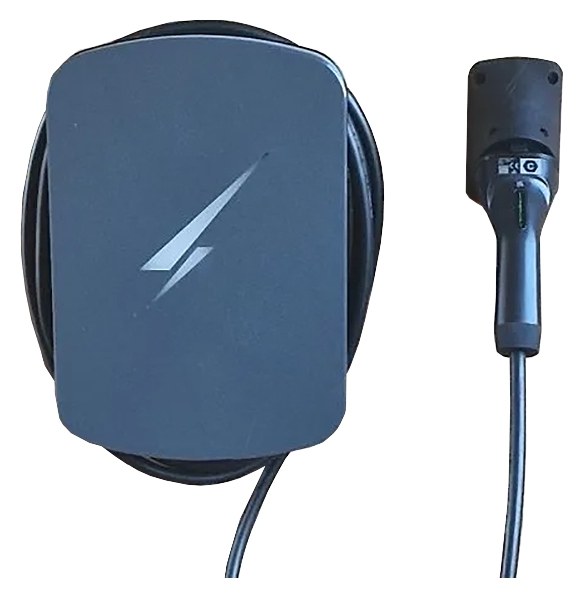
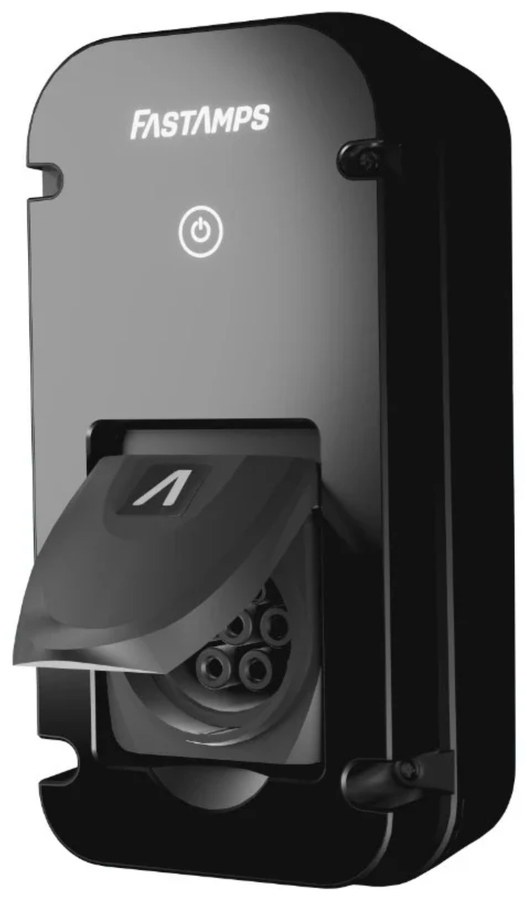
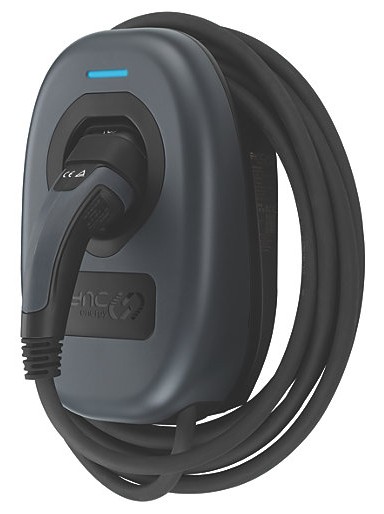
Prices shown are from-prices for a standard installation and may vary once I've seen the job.
Home charging
For most households a charge point on the drive or garage wall is straightforward, but the detail matters: the position relative to where the car sits, the route back to the consumer unit, the protective devices required, and whether the existing board can take another circuit. I'll go through all of it with you before quoting.
Government grants
Two government grants can take up to £500 off a home charge point. Each one covers 75% of the cost of the charge point and its installation, up to £500. Which applies depends on whether you own or rent your home, and where you park.
Up to £500
Renting, or living in a flat you own
For anyone who rents their home, or owns and lives in a flat.
- You need your own private off-street parking space
- If you rent, you'll need your landlord's permission first
- Not available if you own and live in a house
Up to £500
Only parking on the street
For owners and renters with no off-street parking, using a cable channel set into the pavement.
- Your council has to approve the channel first, and not every council allows them yet
- It must be a permanent channel, not a cover laid over the cable
- I can help you check what your council allows
Apply first, book second. You apply online with a quote from me, and nothing can be fitted until the grant is approved. As an OZEV approved installer I then claim it for you and take it off your bill, so you only pay the difference. You'll also need an eligible electric vehicle, whether owned, leased, a company car or on order. Both schemes close on 31 March 2027. Details checked October 2026; see GOV.UK chargepoint grants for the full rules.
Workplace and commercial charging
Workplaces install charge points for staff, fleet vehicles or visitors. The questions are the same but bigger: how many units, where they sit relative to the supply, and what the site can support without an upgrade. I can advise on what's realistic before you commit to a plan.
How the job runs
- Talk it throughTell me about your parking, your vehicle and where you'd like the unit.
- Check the supplyThe existing installation is assessed to confirm what it can take.
- Agree position and priceYou see the proposed position and route, and get a clear cost.
- Install, test, certifyFitted neatly, tested, and handed over with the paperwork and a walk-through of how to use it.
Grant rules and charger models change regularly, so before you commit to anything, ask me and I'll confirm what currently applies to your situation.
EV charging questions
Before you book
Do I need off-street parking?
It is the most straightforward route, but not the only one. With a drive, a garage or your own land, the charge point can reach the car directly. If you only park on the street, a cable channel may be possible: a slim channel set into the pavement so the charging cable runs below the surface rather than across it. It needs approval from your local council first, and not every council allows them yet, so it depends on where you live. Get in touch and I'll help you check before anything is booked. Running a loose cable across the pavement on its own is not allowed, since it is a trip hazard.
Do I need planning permission?
In most cases no. A charge point on a house or in a garage normally falls under permitted development, though listed buildings and conservation areas can be different. Your electricity network operator does need to be told about the extra load, and I handle that notification as part of the job, so it's not something you need to arrange.
Where can the charge point go?
That depends on your parking, your incoming supply and the run of cable required. I'll look at the options with you before anything is fitted, and explain the trade-offs between the tidiest position and the most practical one.
Can I get a grant towards the cost?
Possibly. There are two government grants, each covering 75% of the cost of the charge point and its installation, up to £500. One is for people who rent, or who own and live in a flat, and have their own off-street parking. The other is for households that only have on-street parking and are fitting a cable channel across the pavement. Either way the grant has to be approved before anything is fitted, and as an OZEV approved installer I claim it for you and take it off your bill. Both schemes close on 31 March 2027.
Can you fit charge points at a workplace?
Yes. Workplace and commercial installations are covered as well as domestic ones, including multiple units where the supply allows.
Choosing a charger
Should I choose a tethered or untethered charger?
A tethered unit has the cable permanently attached, which is tidier day to day and means one less thing to carry. An untethered unit has a socket instead, so you use your own cable and it copes better if you change to a vehicle with a different connector. Neither is better in the abstract, it depends on how you use the car.
Which charger should I choose?
Ask me directly. Suitability depends on your vehicle, your supply and how you'll use it, so it's better answered for your specific situation than promised in advance on a web page.
Can I just use a three-pin plug socket instead?
It is not a sensible substitute. Charging from a standard socket draws a high current for many hours at a time, which is not what ordinary sockets and wiring are designed for, and it is considerably slower. A dedicated charge point is a properly protected circuit built for the job.
Timings
How long does an installation take?
Around three to four hours for a straightforward installation. It can take longer depending on where the charge point needs to go and how far the cable has to run, so I'll give you a realistic idea once I've seen the job rather than quoting a time blind.
How long will I wait from booking to installation?
Usually seven to ten working days for a standard booking. If you are claiming a government grant, allow the same again from the date your grant is approved, since the work cannot go ahead until that comes through.
The installation itself
Will my power need to be switched off?
Briefly, yes. Connecting a new circuit at the consumer unit means the supply comes off for a short period. I'll tell you before it happens so you can shut anything down that needs shutting down first.
Will I get certification for the work?
Yes. A charge point is a new circuit, so it is tested on completion and you get an electrical installation certificate. I'm NAPIT registered, so the work is notified through NAPIT as well.
What is a surge protection device?
An SPD protects an installation against voltage spikes, whether from lightning strikes on the network or switching events further up the supply. Given a charge point is a permanent circuit connected to an expensive vehicle, I fit surge protection as standard on EV installations rather than treating it as an optional extra.
What does OZEV registered mean?
OZEV is the Office for Zero Emission Vehicles. Being OZEV registered means I'm on the government's approved installer list for electric vehicle charge points, which is also what allows me to claim government charge point grants on your behalf.
Thinking about an EV charge point?
Send me a photo of where you park and where your consumer unit is, and I can tell you a lot from that alone.